RENTAL ASSISTANCE
The San Diego Housing Commission’s (SDHC) largest program helps pay rent for thousands of San Diego families struggling financially with lower income in the City of San Diego’s high-cost rental housing market.
The U.S. Department of Housing and Urban Development (HUD) funds SDHC’s rental assistance program.
Eligible households pay a predetermined portion of their income, known as the family contribution, toward the contract rent. SDHC pays the balance of the contract rent, up to the applicable payment standard, directly to the landlord on the household’s behalf. The payment standard is the dollar value of the rental housing voucher that helps pay rent. It is the maximum subsidy payment a voucher would pay for a rental housing unit.
FISCAL YEAR 2025
(JULY 1, 2024 – JUNE 30, 2025)




*Total households that received SDHC rental assistance at any point during the fiscal year. This includes 1,093 Turnover Housing Vouchers and 47 Short-Term Transitional Housing Vouchers.
RISING COSTS OF ASSISTANCE PAYMENTS
SDHC’s rental assistance expenses continued to rise throughout Fiscal Year (FY) 2025, furthering the growth in costs since FY 2020. Federal funding has not kept pace with the increase in SDHC’s rental assistance expenses.
HOUSING VOUCHER AVERAGE MONTHLY RENT SUBSIDY
JULY 2024 –JUNE 2025
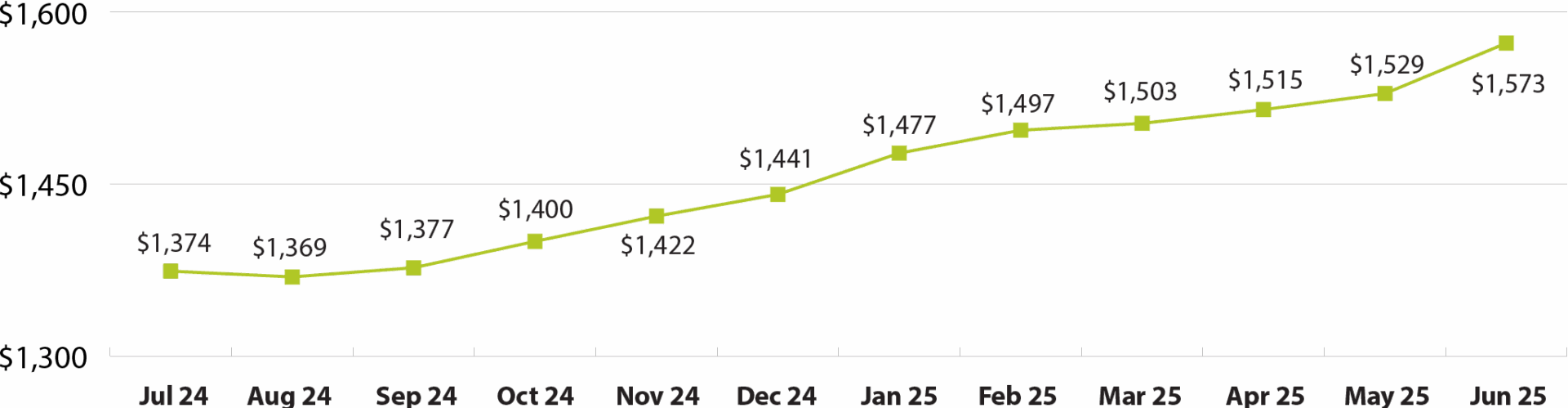
HOUSING VOUCHER AVERAGE MONTHLY RENT SUBSIDY
BY FISCAL YEAR
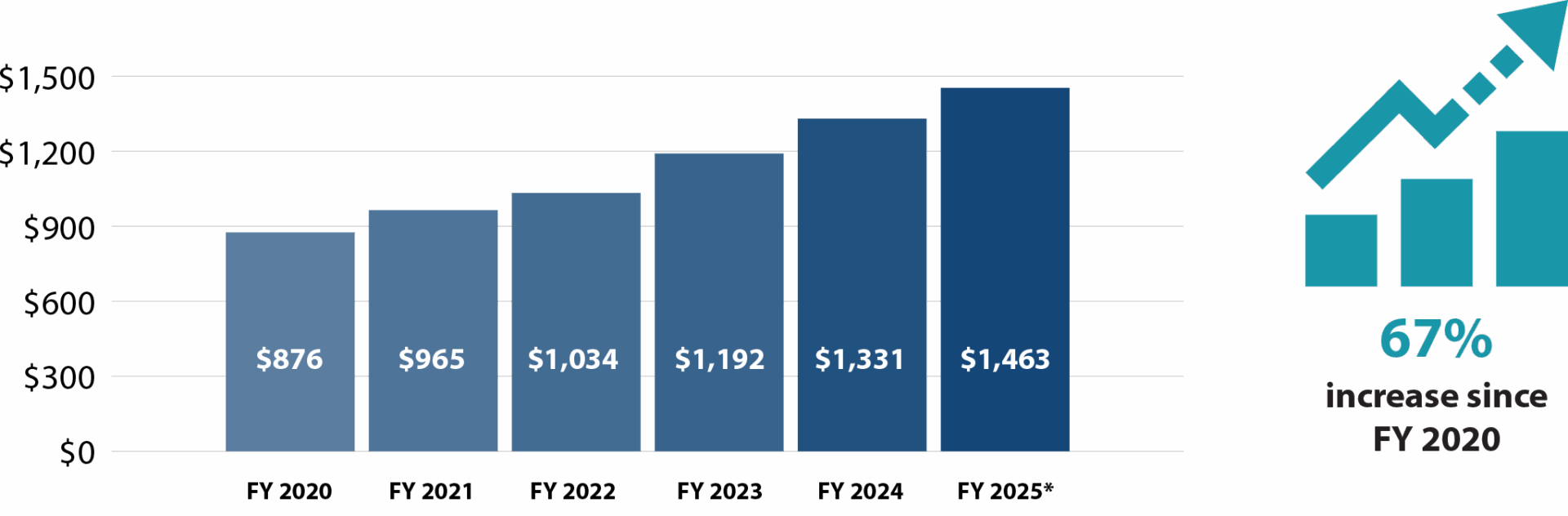
This graph displays the average monthly rent subsidy in each fiscal year.
*FY 2025 year to date, as of June 30, 2025
SDHC ACHIEVEMENT ACADEMY
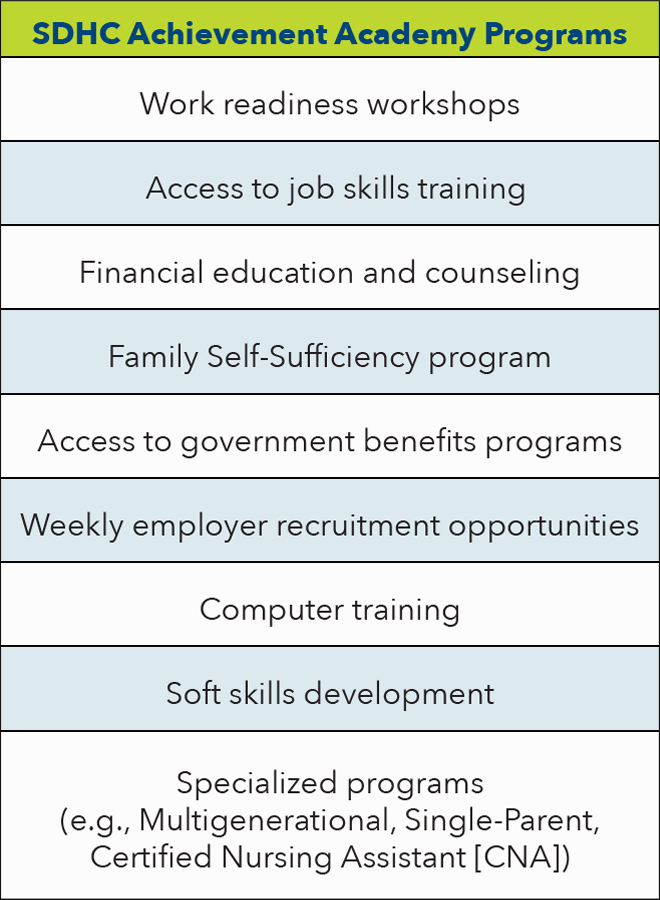
Offering opportunities for families to achieve greater financial self-reliance is the focus of the SDHC Achievement Academy. Its programs emphasize career planning, job skills, job placement and personal financial education. They are available at no cost to eligible families with low income in the City of San Diego, including SDHC’s rental assistance households, public housing residents, and individuals in certain homelessness services programs SDHC operates or administers. City residents with low income are eligible through the SDHC Achievement Academy’s designation as an EnVision Center. This designation is a collaboration with the City of San Diego and San Diego Workforce Partnership.

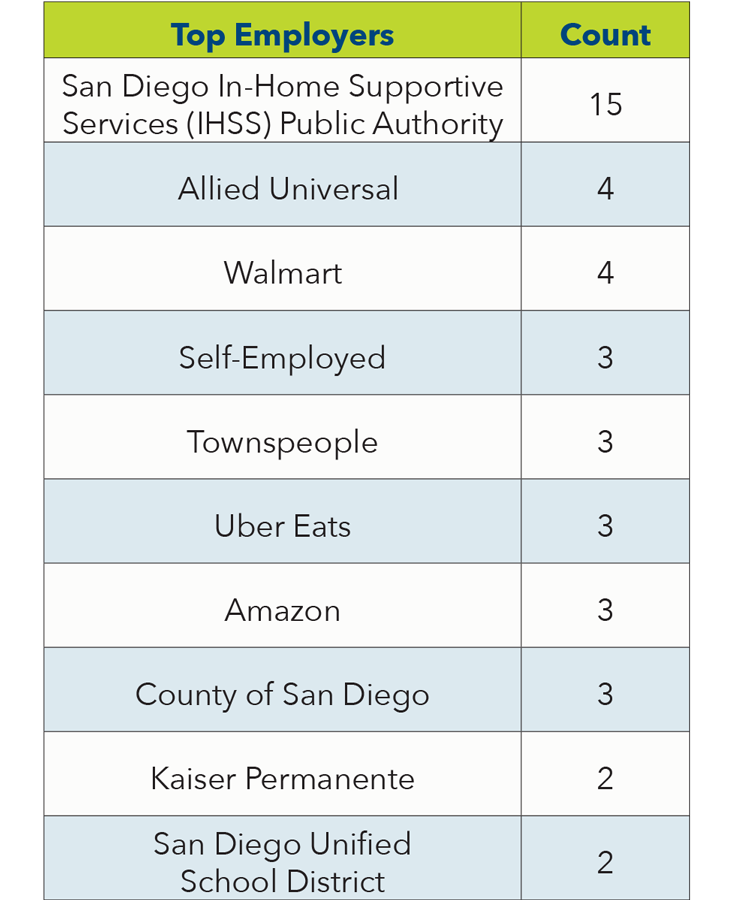
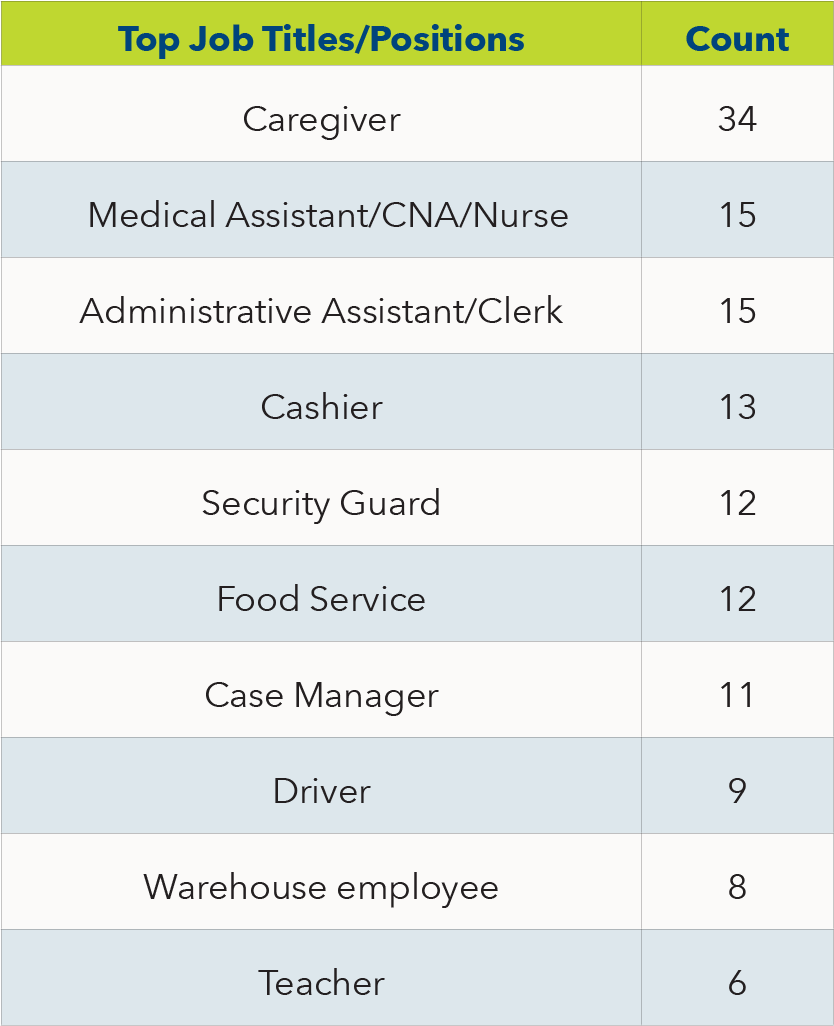
SDHC ACHIEVEMENT ACADEMY JOB PLACEMENTS
TOP EMPLOYERS AND POSITIONS
FY 2025

15
San Diego In-Home Supportive Services (IHSS) Public Authority

34
Caregiver

15
Medical Assistant/
Certified Nursing Assistant/
Nurse
FAMILY SELF-SUFFICIENCY (FSS)
The Family Self-Sufficiency (FSS) program enables participants to earn money in an interest-bearing escrow account as they achieve educational and employment-related objectives. During FY 2025, participants could earn up to $10,000. Beginning in FY 2026, participants may earn up to $50,000. They may use these funds as they wish when they graduate from FSS. To graduate, FSS participants must achieve all of the goals in their career plan, no longer receive government cash assistance, and work at least 32 hours a week. FSS is a voluntary, two-year program.


Fiscal Year 2025
MOTHER ACHIEVES HER GOALS
For nearly four years, Anna and her family shuffled between shelters and hotels while experiencing homelessness. Now, she has a safe place to call home and a steady job with skills she developed in SDHC Achievement Academy programs, including Family Self-Sufficiency (FSS).
“That’s a big thing when you want to start working—having a safe place to go home,” Anna said. “You don’t want to be judged that you don’t have a place to go.”
Born in San Diego and a mother of seven, Anna became homeless before the COVID-19 pandemic. When she completed a shelter program, she received an opportunity through her case manager for a rental housing voucher through The Monarch School Project, an SDHC partnership with the Monarch School to provide rental housing vouchers for up to 25 families with at least one child enrolled at the school.
“I felt that it was a good opportunity for me to take advantage of the time frame and start working on the goals and having that home where I can go home to,” she said.
Anna enrolled in FSS with the goal of obtaining a good job where she could earn enough income to afford housing without the voucher. She obtained an office administration certification. She also received guidance on how to make her resume stand out to employers, participated in mock interviews, and improved her budgeting skills.
With the training she received, she was hired for an administrative position. Through it all, she felt her family’s support.
“They were just always very supportive of me, very proud of my goals that I had reached,” she said. “And I didn’t realize that so much time passed by, and I was already at the end of the program.”
With stable housing and new skills, Anna now wants to move up in her current job and ultimately return to school to pursue a law degree.
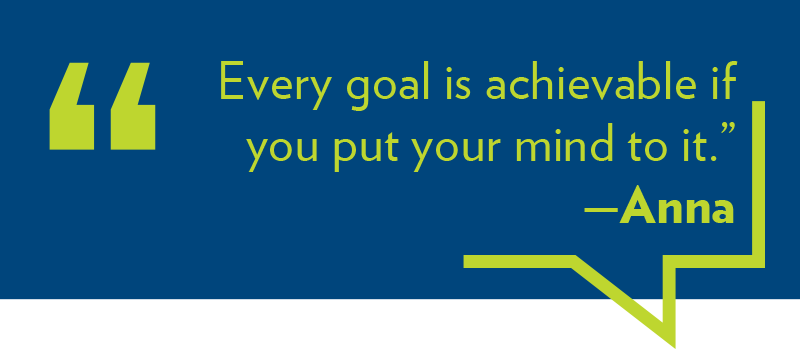
“I’ll probably be 65 when I graduate, but that’s OK,” she said. “At least I’ll be, ‘I did it, kids.’ But I just want to show them that it is achievable. Every goal is achievable if you put your mind to it.”
HEALTHCARE CAREER CATALYST FOR YOUNG ADULTS
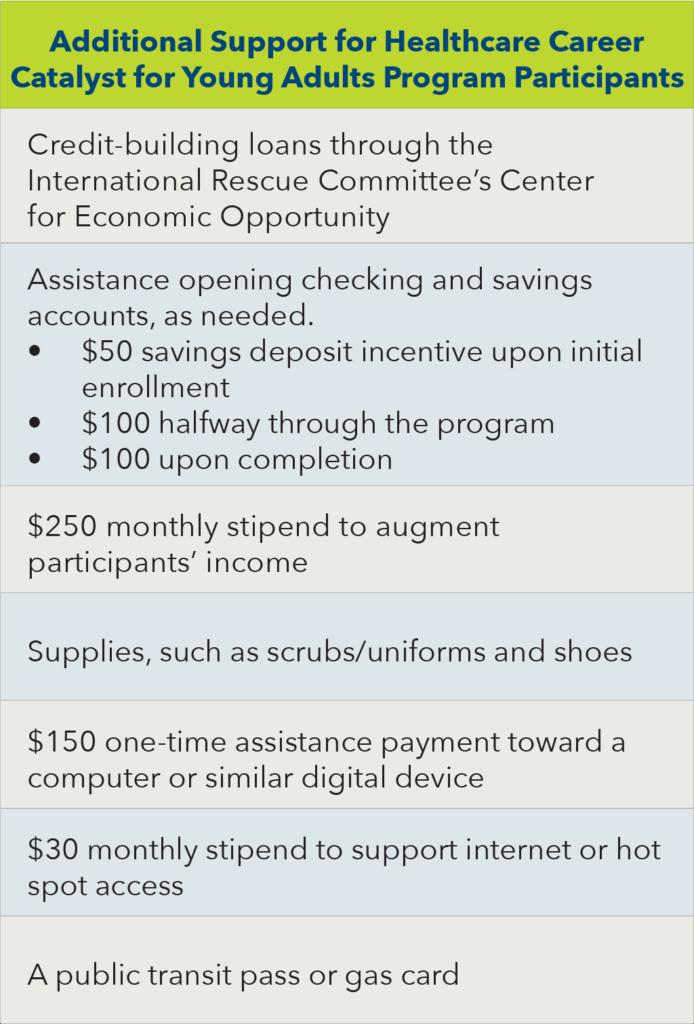
An SDHC Achievement Academy partnership program provided job training opportunities in the medical field, including online and on-campus learning, for young adults who have barriers to work and school as well as pressure beyond what is normal for their ages. Some participants also live in underserved communities and have traditionally faced barriers to financial self-reliance.
Partners
- SDHC Achievement Academy
- Western Medical Training Center (career training)
- Dalrada Career Institute (career training)
- International Rescue Committee Center for Economic Opportunity (credit-building)
- Prebys Foundation ($604,000 two-year grant)
- Cardiovascular Institute of San Diego (externships and employment)
- Presidium Health (hands-on experience)
Certifications Available
- Certified Medical Assistant
- Certified Nurse Assistant
- Restorative Nurse Assistant
- Electrocardiograph (EKG) Technician
- Phlebotomy Technician
YOUNG ADULT’S CONFIDENCE GROWS
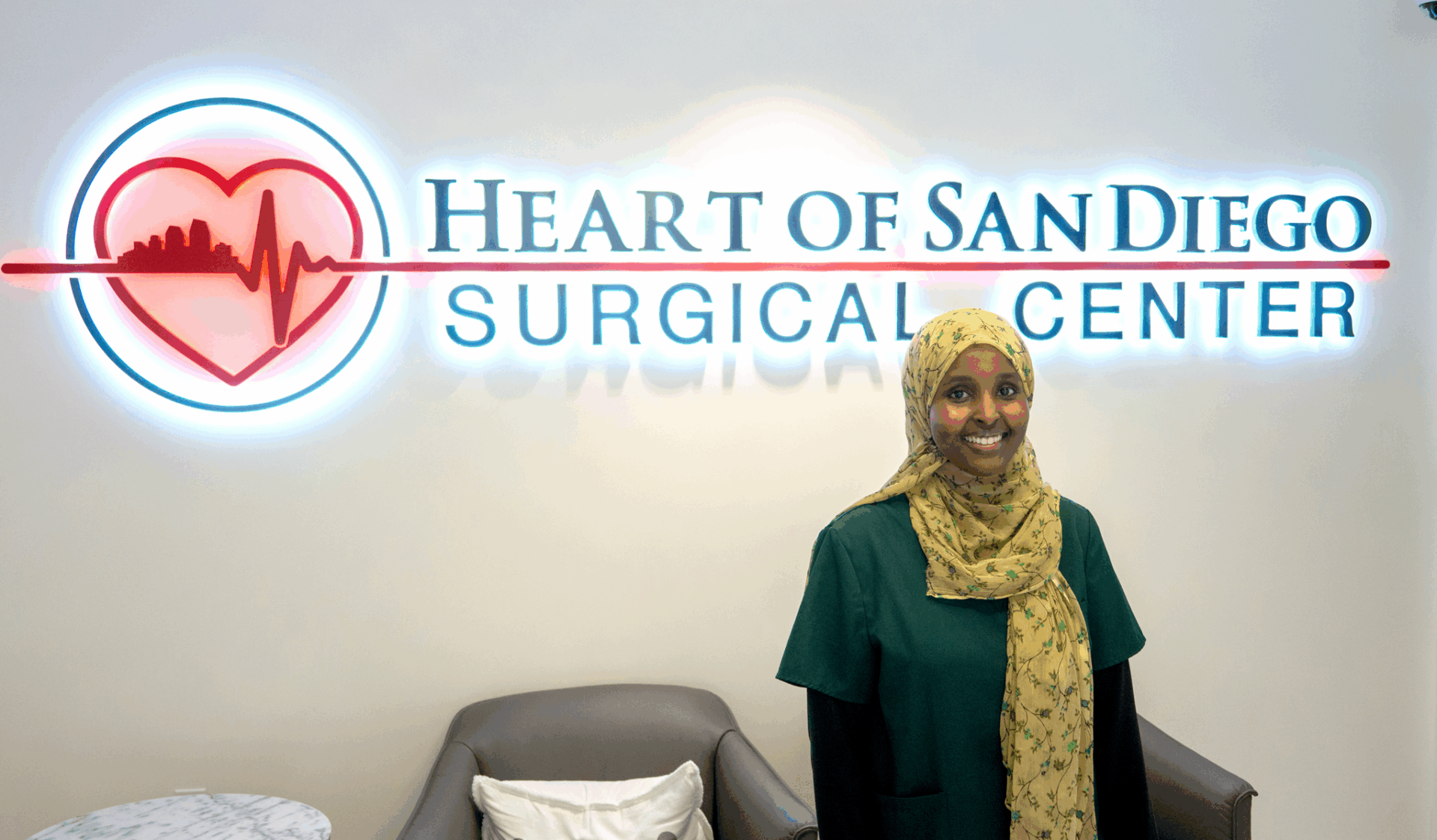
Maymuna boosted her career prospects and built confidence in herself and her future when an externship completed through the SDHC Achievement Academy’s Healthcare Career Catalyst for Young Adults program landed her a full-time job.
“With the guidance and help from San Diego Housing Commission and the Cardiovascular Institute (of San Diego), I really got to know that this is a job that I really love to pursue and that I’m very confident in,” Maymuna said.
Maymuna’s family receives Section 8 Housing Choice Voucher rental assistance from SDHC. She graduated as a Certified Medical Assistant from the Healthcare Career Catalyst program in August 2024.
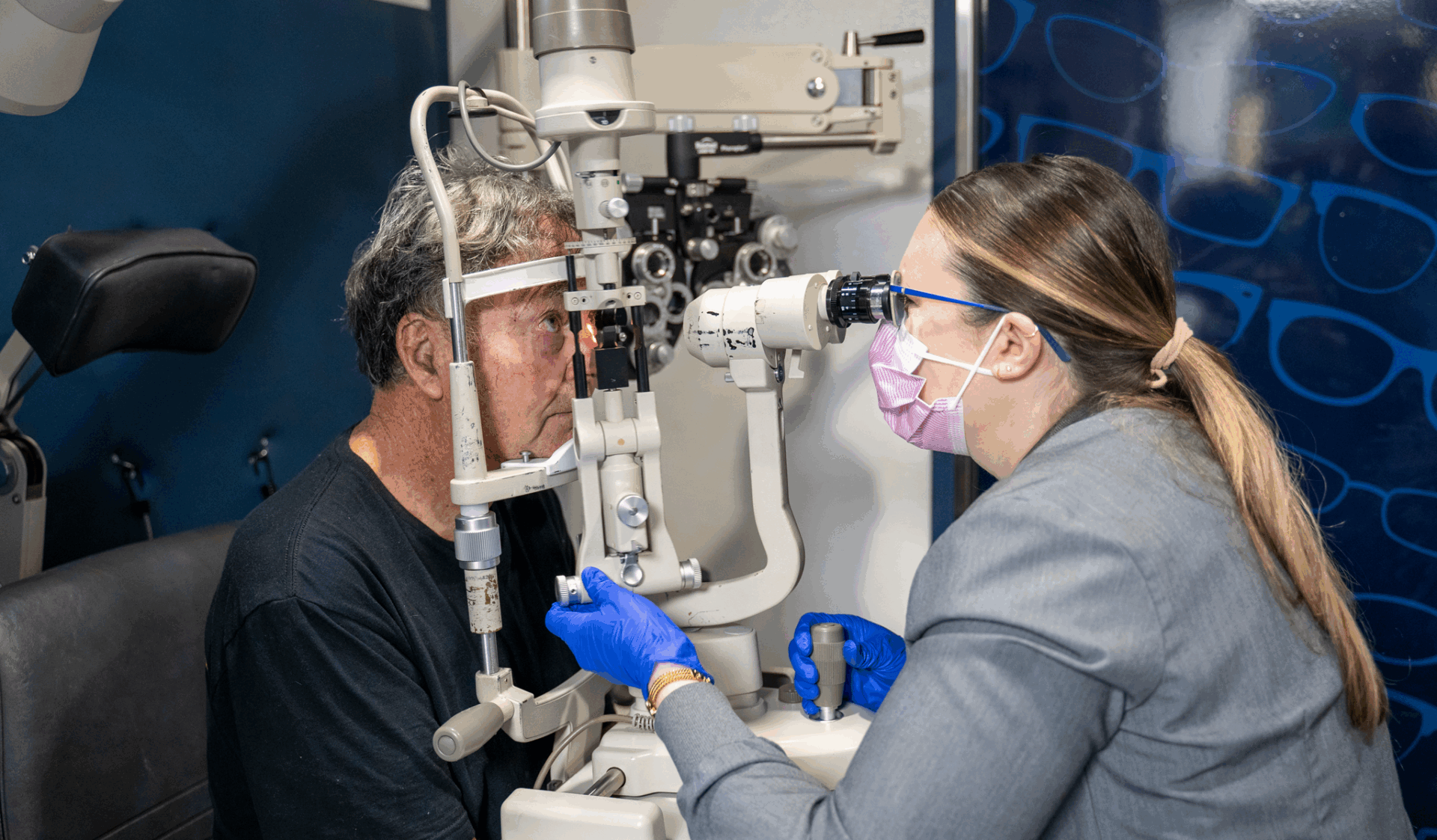
Maymuna completed her required externship at the Cardiovascular Institute of San Diego, where she gained hands-on experience that included working with patients to take their vital signs and extract blood, as well as learning how to measure electrical waves in a patient’s heart, also known as an electrocardiogram.
“Within the three months of my externship, I felt like I already learned everything I needed to know to be able to start working immediately,” she said. “And with the help of some great assistance that I had there, they allowed me to have some confidence.”
Maymuna’s ability quickly became clear to Cardiovascular Institute Clinic Director Daisy Surprenant, who called her a “five-star employee.”
Now, Maymuna’s journey continues as a Cardiovascular Institute employee as she navigates work and her time as a first-generation college student, studying public health at San Diego State University. She aspires to become a physician.
“My family, they’re actually very excited that I went through this process and that they see me juggling through working full-time and also going to school,” she said. “They’re really proud of me, and they’ve told me with this process that I’m going through right now, they think that I would be a great doctor or anything that I’d like to be in the future.”
MEDICAL PROVIDER FINDS PROGRAM ‘FULFILLING’
When Daisy Surprenant reflects on her new hire at the Cardiovascular Institute of San Diego, she sees more than a standout medical assistant. She sees the power of a partnership with the SDHC Achievement Academy.
“When they brought the (medical assistant) externs to us, they were fully trained,” said Surprenant, the Cardiovascular Institute’s clinic director. “They knew exactly what they needed to do. The expectations were very clear and set. When they came on board, they were very hands-on and knew what they were doing. The only thing we actually did was give them the opportunity to do the actual work, not just sit behind a desk.”
While the Cardiovascular Institute hadn’t hosted externs in more than a decade, Surprenant saw the opportunity to benefit the community by collaborating with the SDHC Achievement Academy, but she wanted the work to be meaningful.
“We actually wanted to give them an opportunity to get hands-on training and realize what you do for the patients and how you help the patients so that when they did get an opportunity for a job, if they didn’t get one with us, they knew what to do out there,” she said.
That’s how Surprenant got connected to Maymuna, a San Diego State University student who was in the first graduating cohort of the Healthcare Career Catalyst for Young Adults program. Seeing her in action, Surprenant found Maymuna enthusiastic for the work and caring with patients.
When Maymuna’s externship was nearing its end in late 2024, Surprenant asked her human resources department to hire her. They did. “We are looking forward to seeing how she’s going to continue to flourish and see what comes next from her,” Suprenant said.
Surprenant is happy to keep Maymuna in her clinic, and she welcomes the chance to keep the pipeline open for other up-and-coming medical assistants.
“It was fulfilling for us, but that’s what made the difference to us—being able to be that stepping stone to potentially give Maymuna or anybody else the opportunity to get an employment that was going to be long-term and then have growth,” she said.
“In the future, my biggest goal is become a CRNA – a certified nurse and anesthesiologist. … This is THE best first step. … Opportunities like these don’t come around all the time. It’s a one-time opportunity. It came, I took it, and I’m very grateful.”
-Abukar
Healthcare Career Catalyst
for Young Adults Graduate

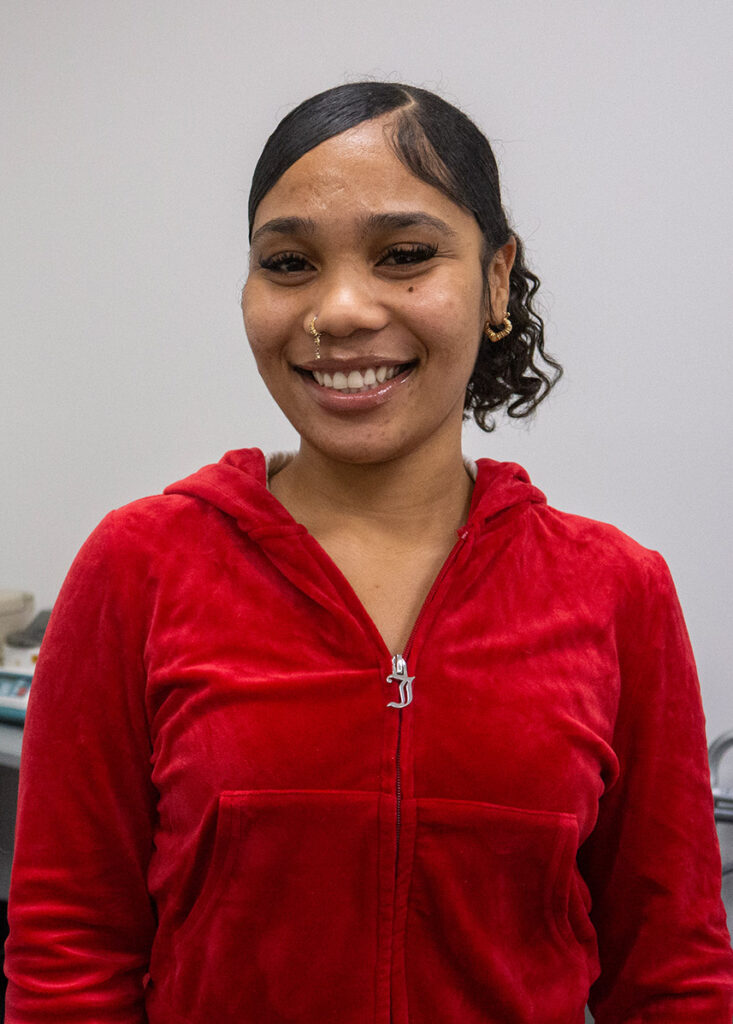
“If I didn’t have this program, it would be very hectic and stressful due to medical school in a lot of programs not being very cheap. So, I think that this program being at no cost really actually did a huge favor … . I think the San Diego Housing Commission is great. A lot of the opportunities that they give is, like, once in a lifetime.”
-Shayla
Healthcare Career Catalyst
for Young Adults Graduate
“It’s online-based, the first portion, so it’s very flexible in a way. And then also, after you get through theory, you learn the lab skills. So, I would say it’s more flexible instead of just going every day. … I think it’s pretty cool that you guys offer people opportunities like this.”
-Angeline
SDHC Rental Assistance
Household Resident
Healthcare Career Catalyst
for Young Adults Graduate

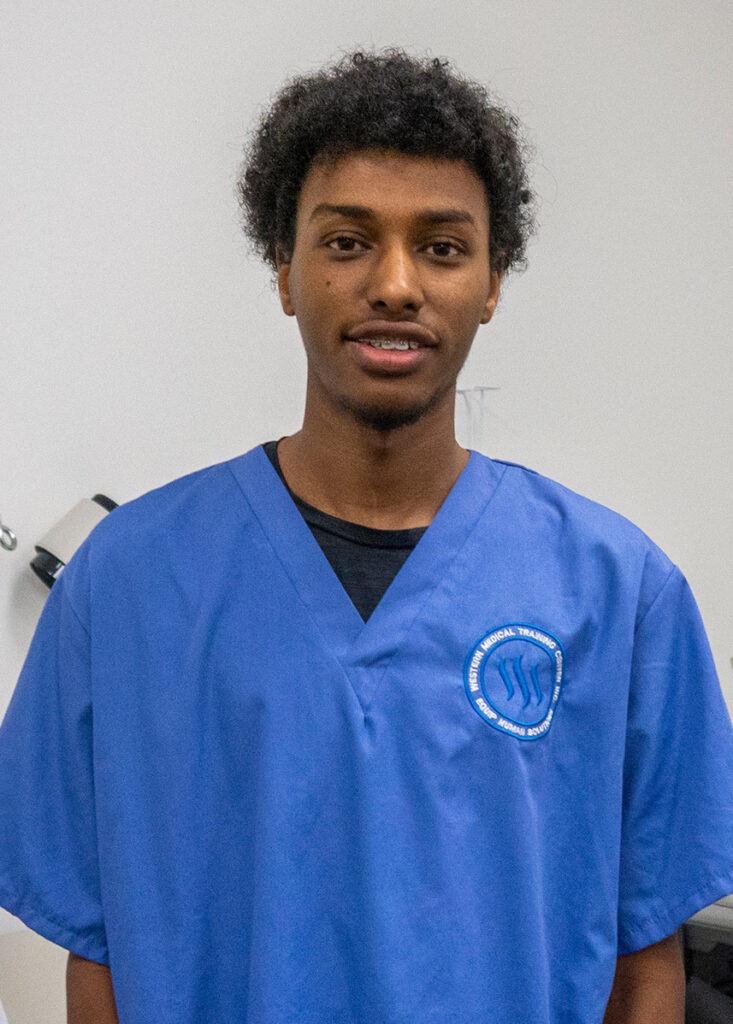
“I think a lot of students don’t have a lot of hands-on skills, and this is going to help get more medical students—people who want to work in medical field, but they don’t have opportunity. It will give them a chance.”
-Suheyb
Healthcare Career Catalyst
for Young Adults Graduate
PATH TO SUCCESS

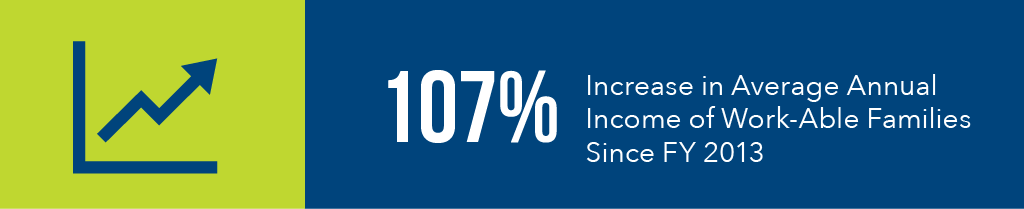
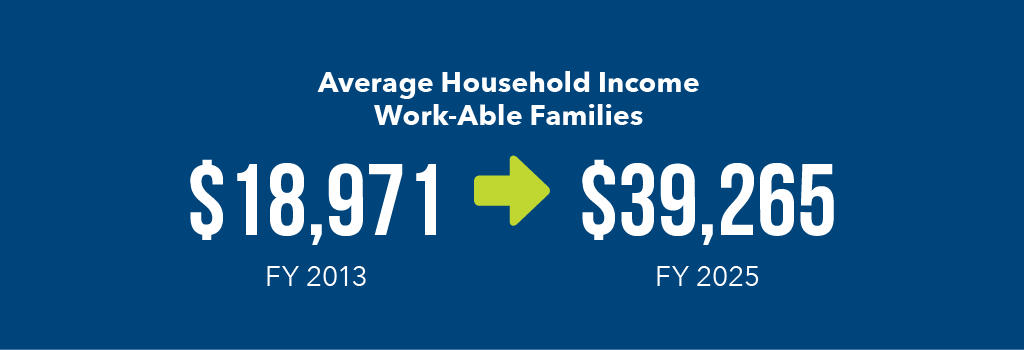
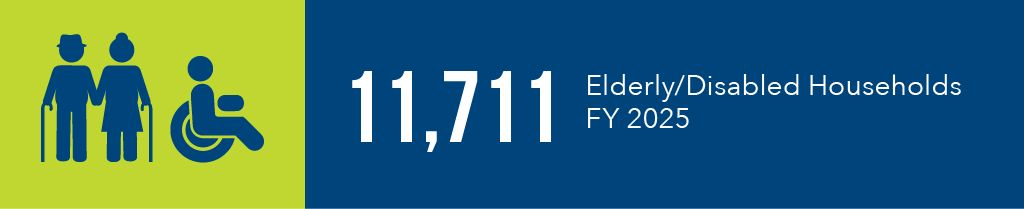
Encouraging opportunities for greater financial self-reliance among rental assistance participants and public housing residents is the focus of SDHC’s Path to Success initiative. The initiative allows families to earn more income without immediately paying more toward rent. Their additional income can then support other family financial goals. Under Path to Success, SDHC streamlined the way it determines how much rental assistance participants and public housing residents pay toward the contract rent. This is known as the family contribution. Path to Success identifies families as able to work (Work-Able) or Elderly/Disabled.

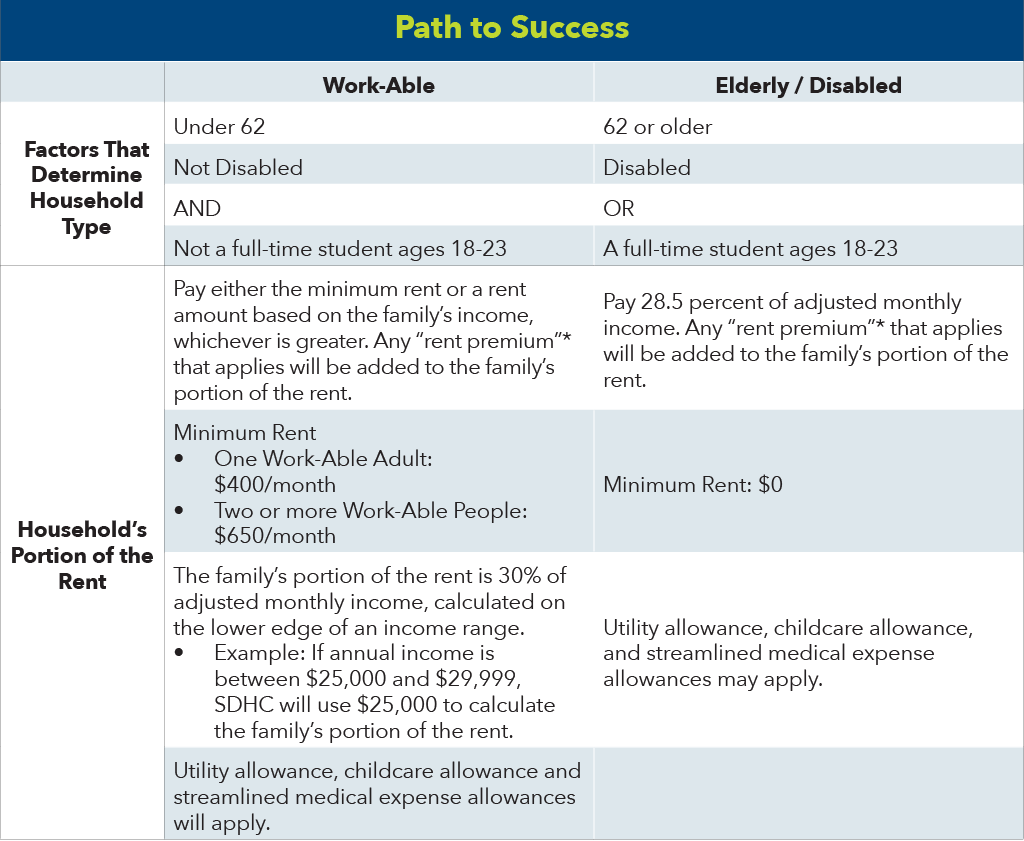
*If the total contract rent for an apartment or rental home is higher than the payment standard, the tenant is responsible for paying the difference, known as the rent premium, in addition to their predetermined portion of the rent. The payment standard is the dollar value of the voucher. It is the maximum amount the Section 8 Housing Choice Voucher will pay toward the contract rent for an apartment or rental home, minus the applicable amount the tenant pays.
LANDLORDS
In addition to helping families in the rental assistance program to pay their rent each month, SDHC supports the local economy and businesses by paying millions of dollars to property owners and managers on behalf of rental assistance participants. Private-sector property owners and managers are essential partners for the rental assistance program. SDHC has implemented initiatives to attract and retain landlords in the program.

LANDLORD PARTNERSHIP PROGRAM
Participating landlords may be eligible for:
Landlord Assurance Fund
Reimburses landlords up to $5,000 to cover repair expenses that exceed normal wear and tear and rent due that is more than the security deposit. Landlords can submit an online application on SDHC’s website for the assurance fund.
Move Flexibility Allowance
Five-day Housing Assistance Payment overlap in cases where there is a delay when a voucher-holding household vacates a subsidized rental unit to move into a new unit.
Mobility Counseling Program
Monthly housing search assistance workshops to assist voucher families to learn techniques to search for rental homes, understand the lease process and prepare for their housing search.
Security Deposit Loan Assistance
Subject to funding availability and SDHC’s established hardship policy, SDHC may offer no-interest security deposit loans to Elderly/Disabled households whose subsidized rental home was recently deemed uninhabitable due to unforeseen circumstances or situations beyond the family’s control.
HAND-IN-HAND PARTNERS IN HOUSING
What started as a post-college job that also provided housing has turned into a career in property management for Towan, the on-site property manager at Atmosphere, who works closely with the San Diego Housing Commission (SDHC).
“We work hand in hand with the San Diego Housing Commission, which is a great partnership because it helps us to keep individuals housed, first of all, that’s most important,” Towan said.
Towan works for the property management company ConAm, which manages Atmosphere, a 202-unit affordable housing community in Downtown San Diego’s Cortez Hill neighborhood.
Developed by Wakeland Housing and Development Corporation, Atmosphere includes 51 studios for San Diegans experiencing homelessness, for which SDHC awarded 51 rental housing vouchers to help residents pay their rent.
“An individual that gets a Section 8 voucher, it gives them the opportunity to have more or less a discount on their rent and also reallocate that funding towards other bills, other necessities such as food, or even things for the housing or for their vehicles as well,” Towan said.
Residents work a variety of jobs, including in the fast food, hospitality and retail industries, said Towan, who also lives on-site and greets most of his residents by name.
“With us being here in downtown or The Atmosphere community being in Downtown, with local public transportation, the trolley system, the bus stop, our residents are able to still thrive,” said Towan.
Towan, who is about to transfer to another ConAm-managed property in North San Diego County, said the support he received from SDHC has provided good career training for him and helped him fulfill his mission of working in a field that allows him help others and contribute toward a better community.
“The Housing Commission has always been my backbone and helping me to support my residents and also to be able to grow even further,” Towan said. “Together, we are able to make sure individuals stay housed, stay funded and stay empowered.”
FLOOD RECOVERY PROGRAM FOR DISPLACED RESIDENTS
During FY 2025, SDHC’s Rental Assistance Division continued to operate the Flood Recovery Program for Displaced Residents to assist City of San Diego families who had been displaced from their homes due to the January 22, 2024, floods. Families from the City of San Diego who were eligible for and enrolled in the County of San Diego’s Emergency Temporary Lodging Program as of May 23, 2024, were able to receive assistance through at least one of the components of the program, which launched May 29, 2024.
SDHC collaborated with the Harvey Family Foundation and Logan Heights Community Development Corporation to assist eligible families. In June 2025, SDHC completed the last short-term rental assistance payment through the Flood Recovery Program for Displaced Residents. The Housing Restoration Assistance process continued into the start of FY 2026, with additional payments occurring. In August 2025, SDHC produced a report detailing the program’s activities and the assistance the program provided.
SDHC operated the Flood Recovery Program for Displaced Residents with funding from the County of San Diego and City of San Diego.
FAMILY FINANCIAL ASSISTANCE


HOUSING RESTORATION ASSISTANCE
Completed and Residents
Returned to Occupancy
30
Homeowners
7
Tenants
(Completion expected
by September 2025)
4
Homeowners
3
Tenants

HOUSING SEARCH ASSISTANCE
*SDHC began providing housing search assistance for flood-impacted City of San Diego households before the launch of the Flood Recovery Program for Displaced Residents. Some referrals occurred before the application for assistance launched.
‘I HAVE A LOT OF HOPE’
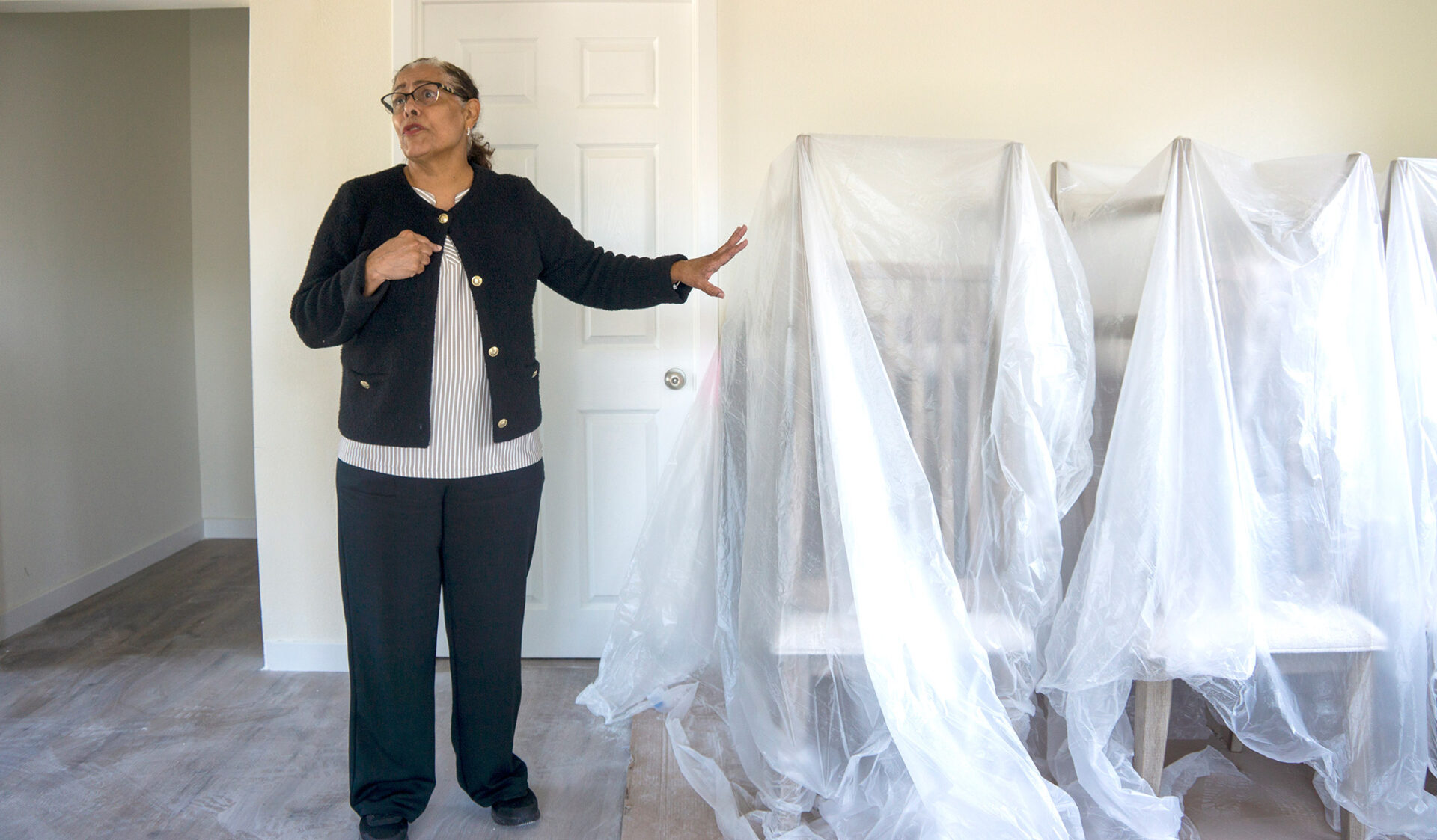
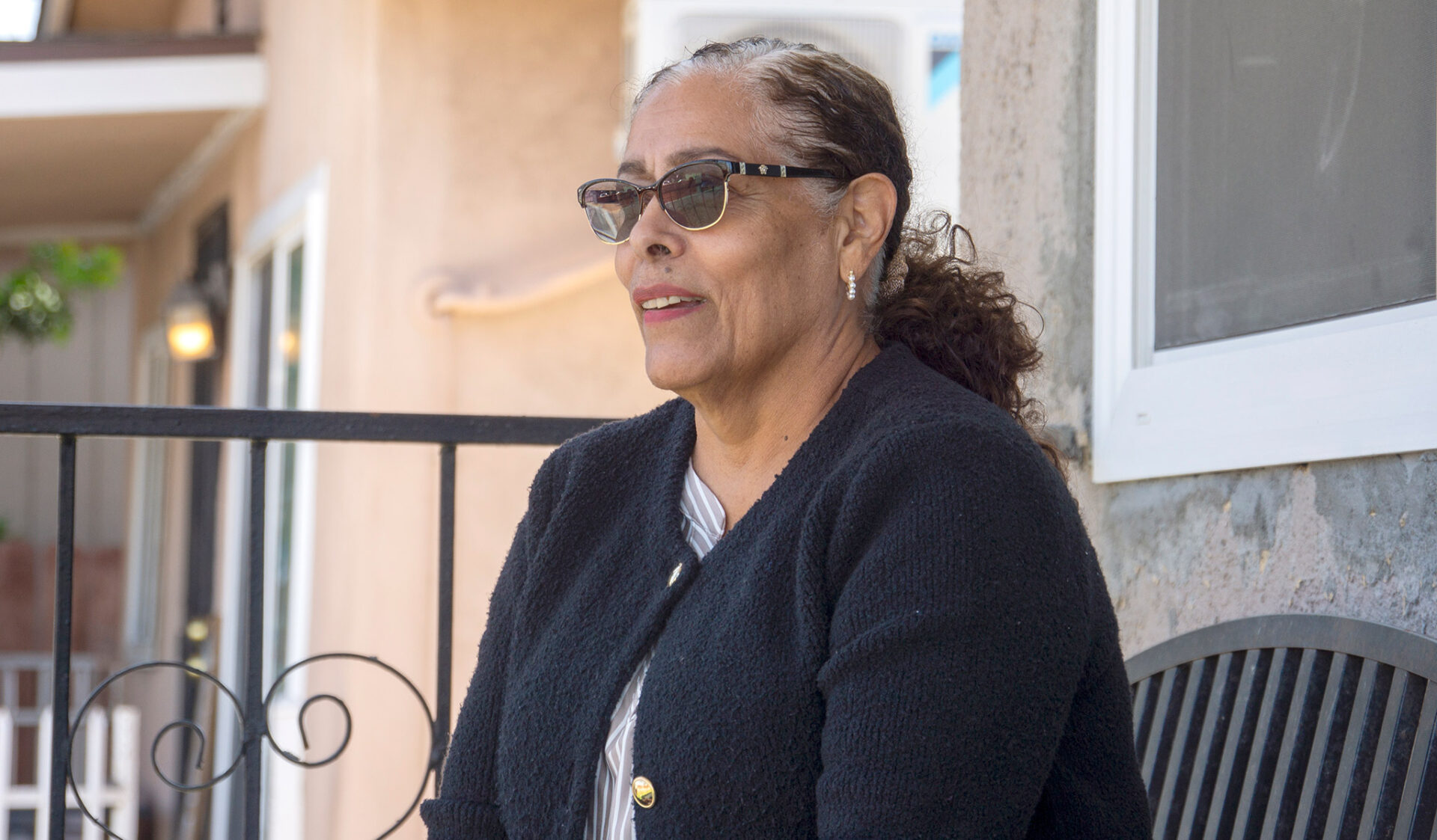
The destructive January 22, 2024, floods in San Diego left Elena unable for more than a year to live in the house she had called home since her childhood. Financial support from SDHC’s Flood Recovery Program for Displaced Residents helped her obtain alternative housing and restore her home.
“This is where I grew up,” Elena said. “I had my friends on the street. I went to school in this neighborhood, you know. So this house means a lot to me—my parents, my mom, the memories we had. The memories I had with my dad.”
On the Sunday before flooding began, the 66-year-old retiree said the rain gave her a feeling that she didn’t want to be there, so she packed a bag with a few essentials and stayed with her daughter.
The next day, she received a call from her neighbor across the street that changed her life. Her home had flooded.
Elena couldn’t get back to the house until later in the week. When she did, the damage was immense. She had lost many valued items. Some of her neighbors never returned.
Unable to stay there, she was referred to a hotel for her emergency housing needs. She then stayed with family and later moved into a temporary apartment.
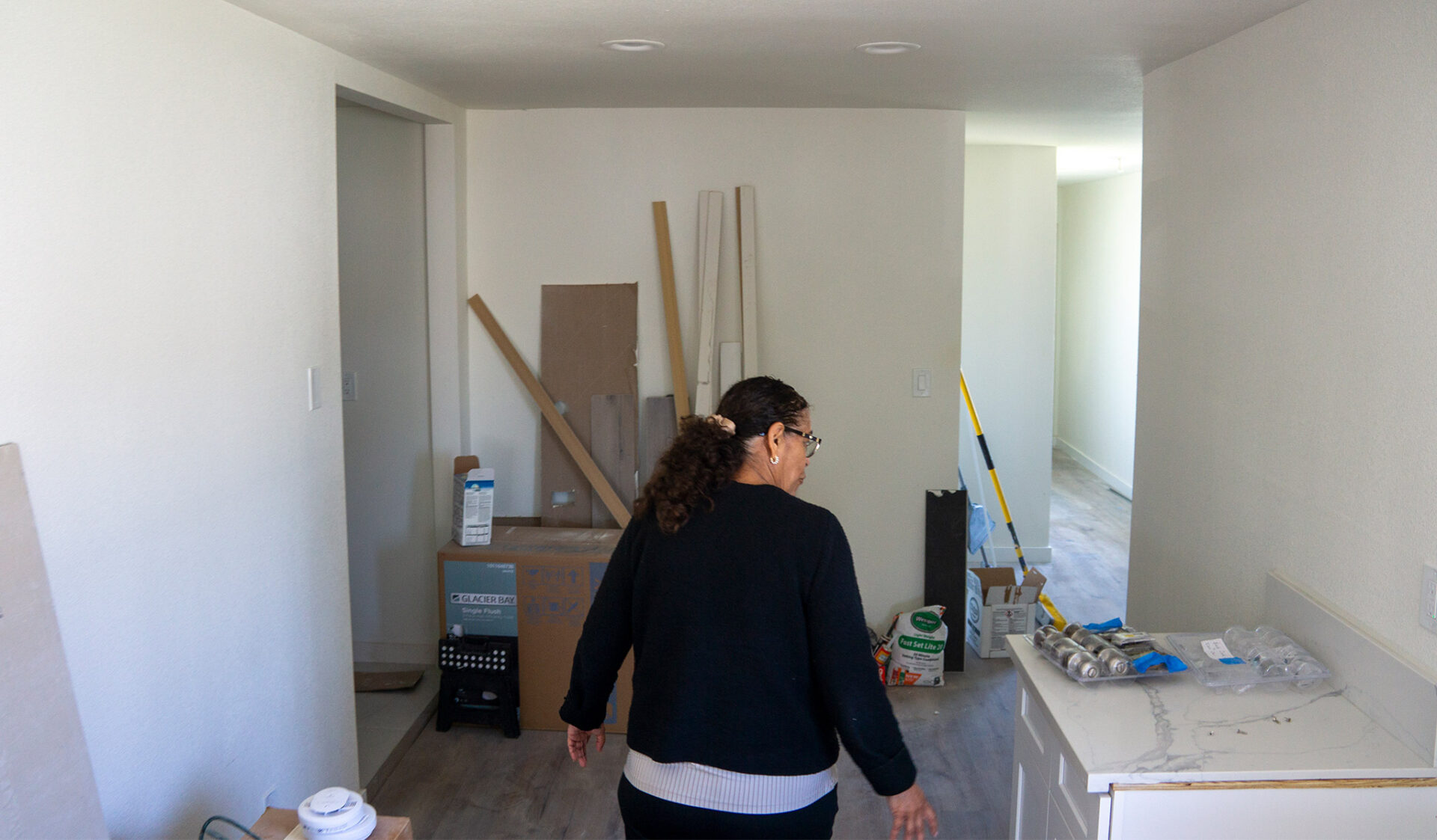
Elena received a lump sum assistance payment from SDHC’s Flood Recovery Program and assistance from the Harvey Family Foundation, which contracts with SDHC to provide Housing Restoration Assistance for eligible flood-impacted households. That assistance and Elena’s children helped her with needed repairs, including new floors, windows, appliances and the fence bordering the property.
“I’ve always been the strong person for all of my kids, you know? But this really knocked me down,” she said.
Now she’s ready to move back into the house where she has spent much of her life. She has many emotions for her return, but said, “I have a lot of hope,” and “I’ll be very happy.”